
Omra : Un guide pas à pas du pèlerinage sacré à La Mecque
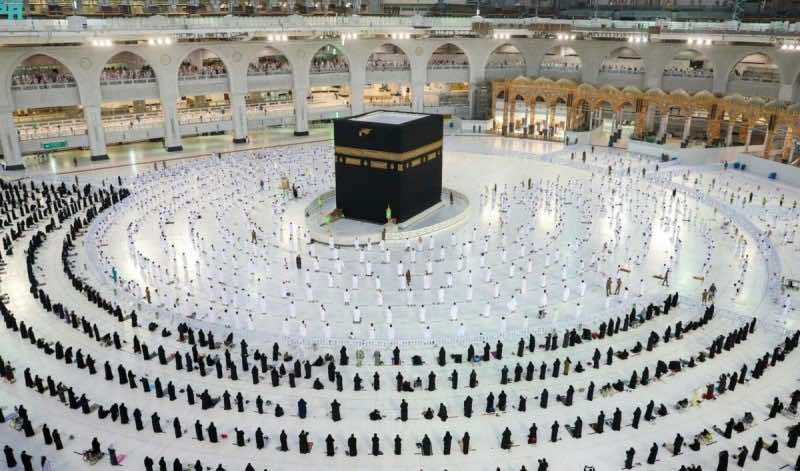
Umrah is a voluntary Islamic pilgrimage to the holy city of Makkah, which can be performed at any time of the year, unlike the Hajj, which is the fifth pillar of Islam and is obligatory for Muslims; also, it takes place on specific dates in the Islamic calendar. Nevertheless, Umrah is an act of deep devotion and an opportunity to purify the soul and strengthen one’s faith. For more information about these rituals, you can read here. Although it is not obligatory, Umrah holds great spiritual significance and is especially recommended during the sacred month of Ramadan, when spiritual rewards are multiplied. Essential Steps of Umrah Umrah consists of a series of sacred rituals that follow a clear structure: 1. State of Ihram (Consecration) Before entering Makkah, pilgrims must adopt Ihram, a state of purity that involves: 2. Tawaf (Circumambulation of the Kaaba) Once inside Masjid al-Haram, the pilgrim performs Tawaf, which consists of seven circuits around the Kaaba, the most sacred site in Islam. During Tawaf, worshippers recite prayers and try to touch the Black Stone (Hajar al-Aswad) if possible. When the Kaaba is found to the left, worshippers circumambulate (counterclockwise), so they both begin and end at the Black Stone. After the completion of seven rounds, every worshipper must pray two Rakaah in an appropriate place. 3. Sa’i (Walking between Safa and Marwa) After Tawaf, pilgrims walk seven times between the hills of Safa and Marwa, commemorating the sacrifice of Hagar (Hājar), the wife of Prophet Ibrahim, who desperately searched for water for her son Ismail until the Zamzam well miraculously sprang forth. Once reaching Marwa, pilgrims have completed one round. Crossing the distance back to Safa fulfills the second round, and so on until the seventh round ends at Marwa. 4. Tahallul (release from the state of Ihram) The final step is Tahallul, which symbolizes humility and the completion of the pilgrimage: With this act, the pilgrim exits the state of Ihram and completes Umrah. Sacred Sites in Makkah Every Pilgrim Should Visit Besides the Kaaba and the sites of Tawaf and Sa’i, there are other spiritually significant places in Makkah: Umrah During Ramadan: A Special Time Performing Umrah during Ramadan is highly recommended, as Prophet Muhammad (pbuh) stated that it carries the same reward as Hajj (although it does not replace it). During this month, Makkah welcomes millions of believers, creating an unparalleled spiritual atmosphere.The combination of fasting, nightly prayers (Tarawih), and Umrah makes Ramadan a unique period for reflection and spiritual growth.
Ramadan 2025: A Month of Reflection, Faith, and Community
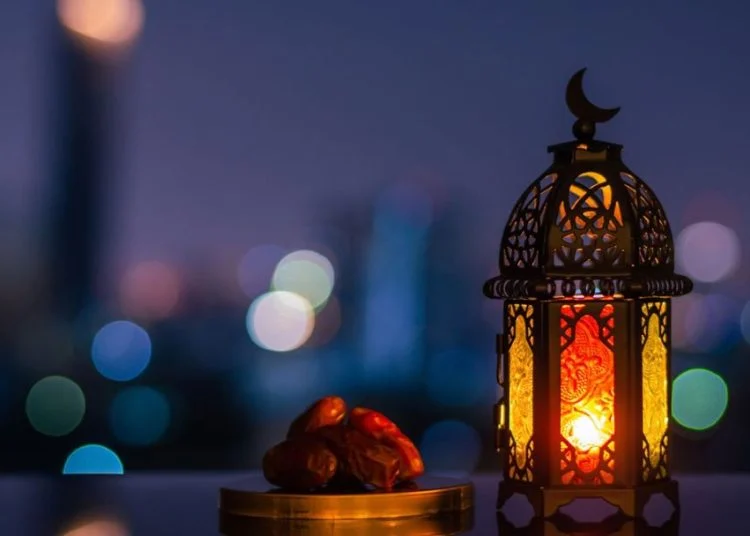
Ramadan is the ninth month of the Hijri calendar and one of the holiest periods for Muslims worldwide. During this month, believers fast daily from dawn to sunset. They refrain from eating, drinking, and engaging in other activities that might distract them from spirituality. It is a time for reflection, prayer, charity, and strengthening one’s faith. When is Ramadan 2025? Ramadan in 2025 is expected to begin on the evening of Friday, February 28, or Saturday, March 1, and end on the evening of Sunday, March 30, or Monday, March 31. Eid al-Fitr, the festival marking the end of Ramadan, is anticipated to be on Monday, March 31, or Tuesday, April 1, 2025. However, exact date is not defined yet since the Islamic calendar follows the lunar cycle. The start of each month depends on the sighting of the crescent moon. This month holds great spiritual significance because the Prophet Muhammad (pbuh) received the first revelation of the Quran during this period. The Significance of Umrah During Ramadan Ramadan is also a favorable time for performing the minor pilgrimage known as Umrah. Unlike Hajj, the major pilgrimage required of Muslims at least once in their lifetime if they are physically and financially able, Umrah is not obligatory, but it is a highly recommended spiritual practice. Many believers choose to undertake it during this sacred month because acts of faith and devotion bring greater rewards during Ramadan. In a separate article, we will explore the significance of Umrah and its spiritual benefits during Ramadan. A Time for Reflection and Community This sacred month represents a period of spiritual renewal and solidarity. Muslims strengthen their devotion and commitment to their faith while embracing values of generosity and community. Additionally, Ramadan offers an opportunity for introspection and for strengthening family and social bonds. At sunset, believers break their fast with iftar, a traditional meal that begins with dates and water, followed by various dishes based on cultural and regional traditions. Prayer and Worship During Ramadan Throughout the month, mosques fill with worshippers gathering for special nighttime prayers known as Tarawih. These additional prayers, performed in congregation, provide an opportunity to deepen one’s connection with God and the community. The Night of Decree, or Laylat al-Qadr, occurs in the last ten days of Ramadan. It is considered the holiest night in Islam because it marks the time when the Quran was revealed to the Prophet Muhammad (pbuh). On this night, prayers and acts of devotion hold special significance, and many believers seek to maximize their worship and reflection. Fasting during Ramadan follows the daily prayer schedule and ends after the Maghrib prayer. For accurate fasting start and end times, users can check a prayer timetable. For those in Dubai, they can refer to the local schedule here. Those in other locations can search for their respective city’s prayer timings. Conclusion Ramadan is a month of purification, faith, and spiritual renewal. It brings Muslims together in a shared practice of sacrifice, reflection, and solidarity with others. Through fasting, prayer, and community engagement, believers strengthen their spiritual connection and reinforce their commitment to faith.
L'Abaya : Entre Tradition et Tendance

The abaya, a long robe traditionally worn by women, is a key piece in modest fashion, offering both style and comfort. While rooted in Islamic culture, it has become a global fashion statement, embraced for its elegance and versatility. Different Styles of Abayas Once often monochrome and simple, the abaya now comes in a wide variety of styles, colors, and materials. Designers usually create traditional abayas in black, using lightweight, flowing fabrics, and they design them to be worn over other clothing. However, modern designers have reinvented the abaya, adding contemporary design elements that make it more versatile and suitable for various occasions. Classic Abayas: Classic abayas are a timeless choice in modest fashion. With their loose cuts and lightweight fabrics, they offer comfort and elegance while staying true to the principles of modesty. Modern Abayas: These abayas are influenced by global fashion trends. They are more fitted and may have asymmetrical cuts. Some feature stylish pleats or belts to cinch the waist. Colors range from classic black to lighter shades like beige, gray, or even delicate pastels. Kimono-Style Abayas: Inspired by Japanese kimono cuts, these abayas offer a straighter silhouette with wide sleeves. Often worn open over regular clothes, they are liked for their simple and elegant style. This makes them popular even outside of religious settings. Embroidered or Beaded Abayas: For special occasions such as weddings or religious celebrations like Eid, abayas are adorned with intricate embroidery, beads, or even crystals. These abayas are often more colorful, featuring floral or geometric patterns that add a touch of luxury. Designer Abayas: Some fashion brands have started producing high-end abayas using premium materials like satin, velvet, or lace. These creations are sometimes custom-made and can cost several thousand euros, catering to a clientele seeking exclusivity. When to Buy an Abaya: Ramadan, Eid & Wedding Seasons Abayas are especially popular during certain times of the year, when demand peaks significantly. During Ramadan, many Muslim women buy new abayas. They often do this to attend prayers or get ready for Eid al-Fitr. This holiday marks the end of Ramadan. Abayas chosen for this occasion are usually more refined and elegant, balancing piety and style. Eid al-Fitr and Eid al-Adha: These two major Islamic holidays are key times for purchasing abayas. Women look for outfits that are both beautiful and respectful of their faith, often reflecting family traditions. Wedding Season: In many cultures, weddings are big celebrations. The abaya is a popular choice for guests, especially at religious ceremonies. People highly seek embroidered, beaded, or even silk abayas. How to Wear an Abaya Daily: Chic & Casual Looks The abaya has seamlessly become a go-to choice for daily modest fashion, with its simple yet chic design. Pair it with accessories like colorful scarves, belts, or jewelry, the abaya can be adapted for various situations. Shop Abayas Online – Classic, Chic & Modern Styles Shop our recomendations diffetent styles for different occasions : The classic abaya : embrace timeless elegance with a traditional style. The comfy abaya : choose a loose-fitting design with wide sleeves and a matching hijab. This style is perfect for Ramadan. It comes in many colors, so you can change your look during the holy month. The classy abaya : perfect for formal events and special occasions. The kimono abaya : stylish and versatile, great for layering over casual outfits. Best Places to Buy Abayas in Dubai Looking for the perfect abaya in Dubai? Here are the top spots: 1. Souq Naif Located in Deira, this bustling market offers everyday abayas for AED 90–150. Bargaining is key! The quality isn’t luxury, but you’re sure to find a practical and affordable model for daily wear. The market is a short walk from Baniyas Square Station. It has limited parking. You can find underground parking for AED 5 per hour 2. Abaya Mall Located in Mirdif, Abaya Mall offers high-quality abayas ranging from casual to bridal, along with perfumes, jewelry, and tailor-made options for a perfect fit. It’s a great spot for unique styles and custom orders, with in-house tailors available. 3. Abu Hail Centre Close to Abu Hail Metro Station, this shopping hub offers abayas from AED 100 for all occasions, with negotiable prices and on-site alterations. You’ll also find shoes, perfumes, bukhoor, and jewelry. 4. Saudi Pavilion at Global Village For budget abayas, visit the Saudi Pavilion at Global Village. Prices start at AED 100 for casual styles and AED 200–300 for premium designs. Dubai offers something for every taste and budget—where will you shop first? 😊 The Abaya is not just a traditional garment anymore. It now blends elegance, comfort, and modern style. Women worldwide embrace it for its religious and cultural meaning. It is also a key fashion item that fits any style and occasion. Stay tuned for more fashion tips !
Les meilleurs endroits à visiter pendant le Ramadan

This article will guide you to find incredible places to visit during Ramadan so you can experience the enchanting spirit of this sacred month. Whether you’re Muslim or non-Muslim, travel there if you are seeking to immerse yourself in the cultural and spiritual richness of Ramadan. While some may hesitate to travel during Ramadan, it’s actually an ideal opportunity to discover new cultures, stay active, and witness the unique traditions of different countries. Let’s share places we recommend visiting during Ramadan: Morocco Discover the lively streets of Morocco during Ramadan, where daytime tranquility transforms into nighttime vibrancy. Explore bustling street markets, witness the taraweeh prayers (night prayers) even if you are not Muslim, you will be surprised to see everyone praying in the streets, and experience the warmth of Moroccan hospitality in iconic locations like Jemaa el-Fna square in Marrakesh. You will find food to eat all night anywhere in the country. You will have to try out the harira, which is the traditional soup eaten to break the fast. If you want to know more about Morocco, check out our women-only trip here where we bring you to the bustling city of Marrakesh and to the calm and stunning village of Ouzoud. To explore more top destinations, check out the best places to visit in Morocco. UAE Experience the dynamic Ramadan celebrations in the UAE, where tradition meets modernity. The Middle East and UAE, in particular, are very famous for the iftars in the fancy hotels. It is a must if you come to Dubai, you have to try an iftar experience. You can check more details about Ramadan in Dubai in our previous article here. One of the famous dishes to try out: lentil soup! Turkey This place is a Must-Visit During Ramadan! We highly recommend Istanbul, in particular, with its stunning mosques like the Blue Mosque and Suleymaniye Mosque. If it’s not already on your list, please add it urgently, and you’ll thank us later. Obviously, you will enjoy the delicious Turkish cuisine. There are countless dishes to taste, such as pides, borek, soups. Additionally, don’t miss out on exploring the bustling bazaars, taking a Bosphorus cruise to admire the city from the water, and indulging in traditional Turkish baths for a relaxing experience. Make sure to immerse yourself in the vibrant culture of this enchanting city by attending local festivals and art exhibitions. Kuwait To be honest, this is such an underrated destination. People tend to believe there is nothing to do there or to see. During the day, most of the places are definitely closed, restaurants are not open. However, you have to live the warmth of Kuwaiti hospitality during Ramadan, where locals welcome tourists with open arms. After sunset, explore bustling Mubarakia Souq, visit iconic places like Al Shaheed Park, and if the weather allows it, why not embark on memorable sea trips for a unique Ramadan experience. If you want to know more about Kuwait, check our women-only trip there, it is one of our favorite ! Malaysia There are so many places we would recommend, but Malaysia had to be on the list because of the sweet hospitality and cultural diversity.Experience the warmth of Malaysian hospitality in Kuala Lumpur during Ramadan.Indulge in delicious street food like satay, roti canai, and nasi lemak, explore bustling night markets such as Jalan Alor and Petaling Street, and visit stunning mosques like Masjid Jamek and Masjid Wilayah, embracing the multicultural essence of Malaysia. Additionally, take a stroll through the vibrant neighborhoods of Chinatown and Little India, immerse yourself, and connect with locals to fully embrace the rich Ramadan traditions of Malaysia. We hope you enjoyed discovering our suggestions of places to visit during Ramadan. Whether you’re seeking spiritual connections, food tours, or cultural immersion, these countries offer unique experiences that will leave a lasting impression. For those considering nearby options, explore our Eid Holiday Destinations Near Dubai for the perfect getaway. Ramadan Mubarak wherever you are planning to spend it!
Tout ce qu'il faut savoir sur le ramadan à Dubaï
Ramadan in Dubai Have you ever experienced Ramadan in Dubai? Ramadan is a sacred month in the Islamic calendar, observed by Muslims worldwide. In Dubai, Ramadan holds special significance, with both locals and many expats fasting from dawn till sunset as part of their religious practice. During Ramadan in Dubai, working hours in the United Arab Emirates are reduced by two hours per day to accommodate the fasting period. This adjustment applies across both public and private sectors, demonstrating respect for religious practices in the country. In the past, Dubai’s dining scene saw significant changes during Ramadan, with most restaurants closed during the day and only a few discreetly open. However, since 2021, regulations have evolved, allowing restaurants and cafes to operate during daylight hours. Despite these changes, it remains prohibited to eat or drink in public during fasting hours out of respect for those observing the fast. Ramadan in Dubai attracts numerous tourists seeking vibrant cultural experiences. While daytime activities may slow down, the city comes alive at night with bustling events, lively iftar and suhoor gatherings, and colorful street decorations. This makes visiting Dubai during Ramadan a unique and enriching experience. If you find yourself in Dubai during Ramadan, don’t miss the chance to enjoy traditional iftars and suhoors. From lavish hotel buffets to intimate gatherings, there’s a culinary experience to suit every palate. It’s common to see women, both Muslims and non-Muslims, elegantly dressed in abayas or kimonos, reflecting the modesty of the season. For those interested in learning more about Ramadan and Islamic traditions, a visit to Jumeirah Mosque offers guided tours and cultural exchanges. Check their website for more information. It’s an opportunity to ask questions, gain understanding, and appreciate the rich heritage of Ramadan in Dubai. For more insights and tips on exploring Dubai, visit dubaimusts.me to enhance your travel experience during Ramadan.