
Station de métro Al Nahda

Al Nahda Metro Station is a key stop on Dubai’s Green Line. It serves as a daily transit hub for thousands of commuters traveling between Sharjah and Dubai. Whether you’re heading to work, studying, or exploring the city’s neighborhoods, Al Nahda offers a convenient and budget-friendly way to get around. Where to Find Dubai Al Nahda Metro Station Opening hours of Al Nahda Metro Station Station layout and facilities What’s nearby? 1.Where to Find Al Nahda Metro Station Al Nahda Metro Station is located on Al Nahda Street, near the Al Nahda and Al Qusais neighborhoods. It’s close to the border of Sharjah, making it a popular station for people living there. There are bus stops outside the station and parking areas nearby. 2. Opening Hours of Al Nahda Metro Station Dubai’s metro network runs 7 days a week with trains available every few minutes, even during off-peak hours. Monday to Thursday: 5.00 AM to Midnight Friday: 5.00 AM to 1.00 AM Saturday: 5.00 AM to Midnight Sunday: 8.00 AM to Midnight Whether you’re traveling at the weekend, during peak hours, or later in the evening, there are plenty of trains to reach your destination. For the most accurate and up-to-date information, it’s always best to consult RTA. 3. Station Layout and Facilities Same as other Dubai metro stations, this station is like most stations on the Green Line. It’s an elevated station with two platforms and a concourse below. The design is modern, clean, and simple, just like other Dubai metro stations, tt has all the usual facilities: Ticket machines and customer service guichets Elevators and escalators Clean, accessible toilets Security and CCTV Signs in Arabic and Englishthis 4. What’s Nearby? Al Nahda Pond ParkThis park is nearby and easy to reach by a short taxi or bus ride from the metro station. It’s a great spot for walking, sports, and relaxing outdoors. Sahara CenterA popular shopping mall located a bit farther away in Sharjah. You can get there by a quick taxi or bus ride from the Station. It offers shops, cinemas, and plenty of dining options. Dubai International AirportThe station is also not far from Dubai International Airport, making it a convenient stop for travelers heading to or from the airport. Both places are convenient to visit from the station using public transport or taxis. Al Nahda Metro Station is a key hub for commuters in Dubai, providing easy access to many popular spots around the city.The metro offers an affordable and convenient way to travel across Dubai. With clean facilities and helpful services, this station makes it easy to get to work, explore the city, or enjoy nearby attractions.
Station de métro Etisalat
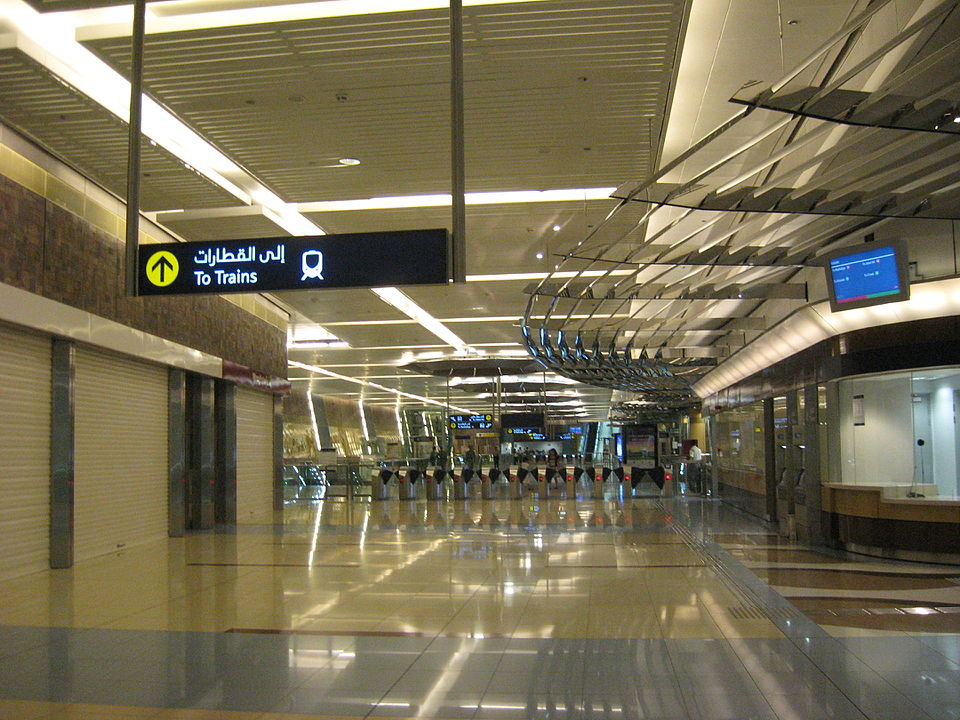
Etisalat Metro Station is the northern end of Dubai Metro’s Green Line, serving thousands of commuters every day. Located near Al Qusais, it offers smooth connections to key areas in Dubai. Whether you’re heading to work, sightseeing, or shopping, Etisalat Metro makes your journey easy and reliable. Where is Etisalat Metro Station? Opening hours of E& Metro Station Station layout and facilities What’s nearby? 1.Where Is Etisalat Metro Station? E& Metro Station, formerly known as Etisalat Metro Station, is the last stop on Dubai Metro’s Green Line. It is located in Al Qusais, close to the intersection of Al Nahda Street and Sheikh Mohammed Bin Zayed Road. This station is a key transit hub for people traveling to Deira, Bur Dubai, and other major districts in the city. 2. Opening Hours of E& Metro Station E& Metro Station Hours: Monday – Thursday: 5:00 AM – 12:00 AM Friday: 5:00 AM – 1:00 AM Saturday: 5:00 AM – 12:00 AM Sunday: 8:00 AM – 12:00 AM Note: The metro doesn’t run 24/7. For the most accurate information, it’s always best to consult RTA. 3. Station Layout and Facilities Etisalat Metro Station offers all the standard services found across Dubai Metro stations, including: Free Wi-Fi Air-conditioned waiting areas Elevators and escalators Dedicated areas for people of determination Park-and-ride facility with free parking for metro users (as long as Nol card usages matches your ride) These features make commuting comfortable, safe, and accessible for everyone. 4. What’s Nearby? Though not in a tourist district, E& Metro Station is surrounded by practical amenities and local attractions within walking or a short bus ride: Al Qusais pond parkA peaceful green park close to the station, perfect for walking and relaxing. Dubai International Airport (DXB) – Terminal 2About 10–15 minutes away by car, convenient for travelers. Dubai Airport Free Zone (DAFZA)Just one stop away on the Green Line. A major business hub with offices and dining options. E& Metro Station is a convenient and important part of Dubai’s Green Line. It serves the Al Qusais area with easy access to nearby parks, the airport, and key business zones like DAFZA. Whether you’re a daily commuter or visiting the city, this station offers reliable transport and practical facilities to make your journey smooth and comfortable.
Visit Japan: Why Our Japan Tour is the Perfect Fall Getaway?
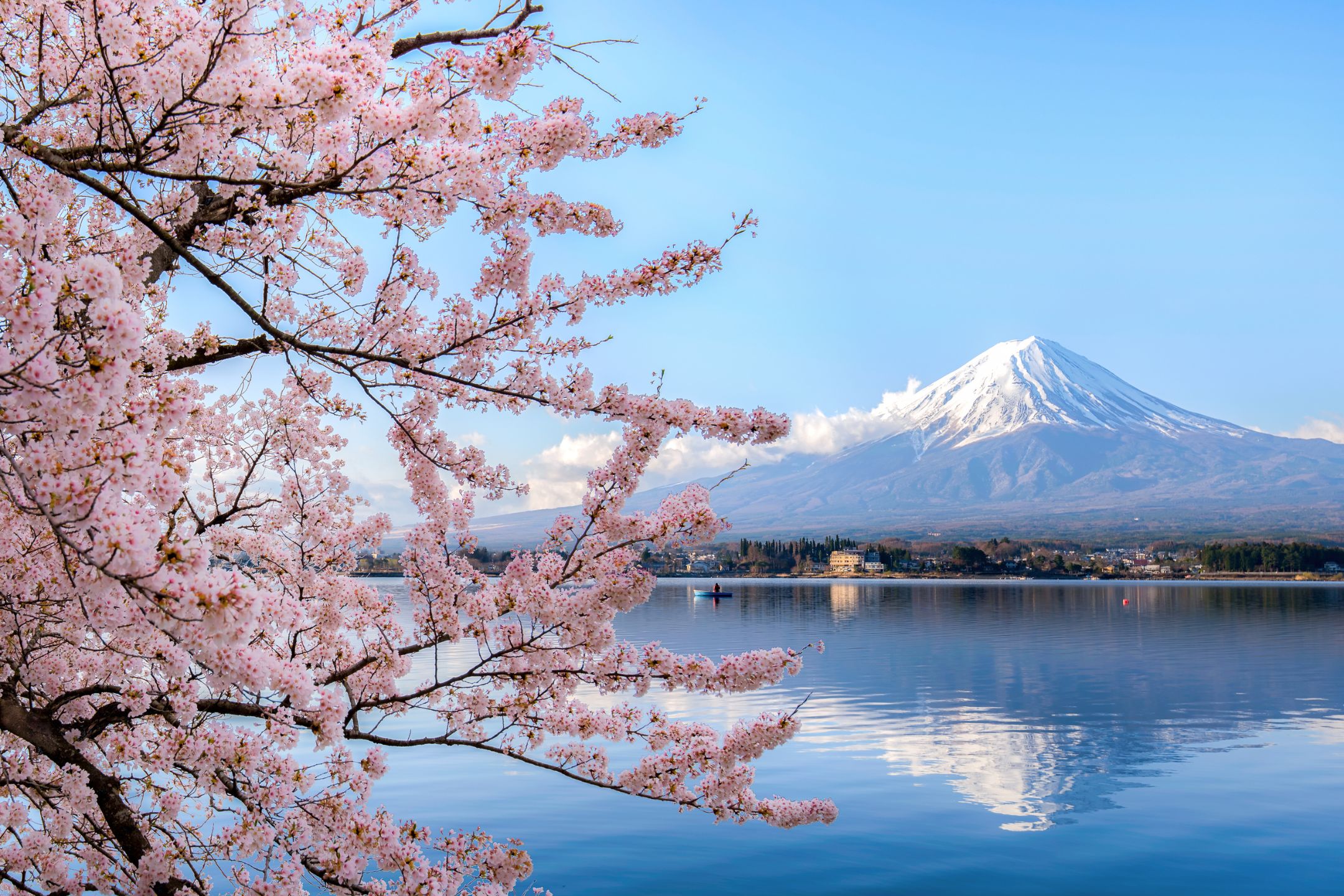
Autumn is one of the best times to visit Japan. The weather is cool and comfortable. The trees turn red and gold. The streets are less crowded. It’s the perfect season for sightseeing and exploring. Our ladies-only Japan tour is the perfect way to experience this unique country. You’ll discover a mix of old and new Japanese traditions, rich culture, and cutting-edge technology. From peaceful gardens to neon-lit city life, Japan is full of surprises. Join our group trip and enjoy it all, with no stress and great company. Visit Japan: why Our Japan Tour is the Perfect Fall Getaway? When is the Best Time to Visit Japan? Top Tourists Attractions in Japan Where to Stay when you Visit Japan? Getting Around Japan 1.When is the Best Time to Visit Japan? Best Time to Visit JapanThe best times to visit Japan are in the spring and fall. From March to May and September to November, the weather is usually mild, making it easy to enjoy both indoor and outdoor activities. These seasons also tend to be less crowded. If it’s your first time in Japan, November is a great month to visit. You can enjoy the Daimyo Procession in Kyoto and the Tone River Fireworks Festival near Tokyo during this season. That said, Japan is a wonderful place any time of year. What’s the Weather Like in Japan? Japan has four clear seasons, each with its own charm. Here’s a simple guide to help you plan your trip: Spring (April to May): The weather is mild and comfortable, with temperatures between 10°C and 20°C. It’s a great time to see cherry blossoms. You might get some light rain, especially in early April. Summer (June to August): Summers are hot and humid, with temperatures ranging from 20°C to 35°C. June is rainy, but July and August bring warm, sunny days, perfect for festivals and outdoor fun. Autumn (September to November): The weather cools down to between 15°C and 25°C. Autumn is known for beautiful fall colors and mostly dry weather, though typhoons can happen early in the season. Winter (December to March): Winters are cold but not extreme in most cities, with temperatures from 0°C to 10°C. Northern Japan can be much colder and snowy, ideal for winter sports lovers. No matter when you visit, Japan’s weather offers something special every season! 2. Top Tourist Attractions in Japan Visiting Japan for the first time is a magical experience. Whether you travel in November, January, or July, you’ll find plenty of amazing places to explore. From vibrant cities to beautiful nature and rich culture, Japan has it all. Tokyo Senso-ji TempleTokyo’s oldest temple, located in the lively Asakusa district. A must-see to experience traditional Japan. Kominato Beach, ChibaA peaceful beach near Tokyo, perfect for a quiet day by the sea. Tokyo SkytreeOne of the tallest towers in the world, offering stunning panoramic views of Tokyo. Nearby is Solamachi shopping mall for souvenirs and snacks. AkihabaraKnown as “Electric Town” famous for electronics, manga, anime, and Japanese pop culture shops. Osaka Osaka CastleA historic castle offering insight into Japan’s samurai past, with beautiful gardens and great city views. Dotonbori DistrictFamous for bright neon lights and lively nightlife, filled with restaurants, bars, and street food stalls. Kyoto Kinkaku-ji (Golden Pavilion)Kyoto’s iconic golden temple surrounded by peaceful gardens and a reflective pond. Samurai & Ninja MuseumAn interactive museum where you can learn about Japan’s warrior history and try on samurai armor. Nishiki MarketA busy food market known as “Kyoto’s Kitchen,” perfect for tasting local snacks and fresh ingredients. Other Destinations Mount FujiJapan’s tallest mountain and a UNESCO World Heritage site. Visitors can hike or enjoy views from nearby towns like Hakone and Kawaguchiko. HiroshimaKnown for the Peace Memorial Park and Museum, it offers a moving and important look into Japan’s modern history. Day ToursGuided tours are a great way to explore multiple sights across Tokyo, Osaka, Kyoto, and beyond, including local landmarks, gardens, and cultural experiences. Dubai Must offers a 10-day guided Japan tour that covers these cities and attractions, giving you a true taste of Japan’s culture and beauty. 3. Where to Stay when you Visit Japan? No matter when you visit Japan, there are many great places to stay that fit every style and budget. Capsule HotelsThese are small, pod-style rooms unique to Japan. They’re perfect for travelers on a budget or anyone wanting a quick, clean, and safe place to sleep. Shared bathrooms and lounges are common, making it easy to meet others. RyokansIf you want a true taste of Japanese culture, staying in a ryokan is a must. These traditional inns feature tatami floors, futon beds, and communal hot baths called onsen. You’ll also get to enjoy multi-course meals showcasing local flavors. Hotels and GuesthousesFrom big hotel chains to small boutique stays, hotels offer comfort and convenience with extras like restaurants and gyms. Guesthouses give a cozy, friendly atmosphere where you can meet other travelers and share stories. Wherever you choose to stay, Japan’s hospitality and unique accommodations will make your trip memorable. 4. Getting Around Japan 🚄 Shinkansen (Bullet Train) The Shinkansen is Japan’s famous high-speed train that connects major cities like Tokyo, Kyoto, and Osaka. It’s smooth, fast, and relaxing. It’s perfect for covering long distances in just a few hours. You can book Shinkansen tickets in two ways: Online through the official websites like SmartEX or JR East Or directly at any train station using the JR Ticket Office or ticket machines (many support English) Tourists with a Japan Rail Pass can also reserve seats at stations for free. While the pass used to be a great deal, prices have recently gone up. It’s not always the best option anymore, especially if you’re not taking many long-distance trips. Be sure to compare costs before buying. 🚉 Local Trains Local trains are the best way to explore each city. Whether you’re traveling in Tokyo, Kyoto, or Osaka, the train system is super efficient. Stations have English signs and announcements,
Visit Lebanon: Top Things to Do to Make Your Trip Memorable

Thinking of visiting Lebanon? From beaches and mountains to old ruins and tasty food, this country has it all. It’s small but full of beauty and history. In this guide, you’ll find the best places to visit, when to go, how to get around, and tips to help you enjoy your trip. Visit Lebanon: Top Things to Do to Make Your Trip Memorable Best Places to Visit in Lebanon How to move around Lebanon Best time to Visit Lebanon Is Lebanon Safe to Visit for Tourists in 2025 Travel Tips to Visit Lebanon 1. Best Places to Visit in Lebanon Lebanon may be small, but it’s packed with beauty, history, and unforgettable experiences.With one week, you can easily explore the highlights, either by staying in Beirut and doing day trips, or by moving around.Here are some of the best places to visit in Lebanon. 1. Start your trip in Beirut, the heart of the country and where most travellers land. Spend at least 2–3 days exploring its charming neighbourhoods on foot, like Gemmayzeh, Mar Mikhael, and Hamra.Walk the Corniche at sunset, discover local street art, and try authentic Lebanese food in cozy cafés and hidden gems. Beirut is also perfect for a little self-care: book a spa day or get a new haircut with one of the city’s famous hairdressers.If you prefer a base city, Beirut is well-connected and ideal for day trips around the country. 2. Jeita Grotto & Harissa Just outside the capital, in the North, these two spots can be combined in a single day trip. Jeita Grotto: A breathtaking cave system with underground rivers and stunning rock formations. Explore the upper grotto on foot and the lower grotto by boat. Harissa: Take the cable car up to the Our Lady of Lebanon statue. The panoramic view over the coast is one of the best in Lebanon. 3. Byblos (Jbeil) One of the oldest cities in the world, Byblos is a UNESCO World Heritage Site. Walk through its charming old souk, explore the Crusader castle, visit the ancient port, and relax by the sea. The mix of history and beach town vibes makes it a must-see. 4. Tripoli Tripoli is Lebanon’s second-largest city and full of character. Explore the old souks, Mamluk-era architecture, ancient hammams, and the coastal district of El Mina. Don’t leave without trying their famous Arabic sweets, especially from the old pastry shops in the souk. 5. Baalbek Located in the Beqaa Valley, Baalbek is home to some of the best-preserved Roman ruins in the world. The temples of Jupiter, Bacchus, and Venus are massive and awe-inspiring. It’s a must for history lovers and one of the most impressive archaeological sites in the Middle East. 2.How to Move Around Lebanon Getting around Lebanon is easy. In Beirut, you can use local taxis or ride apps like Uber and Bolt. Since the country is small, most top destinations are less than 2 hours from the capital. The best way to explore is by renting a car or hiring a private driver, especially if you want to visit several cities in one day. Many travelers prefer to stay in Beirut and take day trips to different parts of the country. Just keep in mind that traffic in the city can be busy, so plan your travel times accordingly. 3. Best Time to Visit Lebanon The best time to visit Lebanon is in spring (April to June) or early fall (September to October). The weather is nice and not too hot, perfect for exploring and outdoor activities.Summers can be very hot, and winters can be cold and rainy, especially in the mountains. Visiting in spring or fall means less tourists and… better prices! 4. Is Lebanon Safe to visit for Tourists in 2025? Lebanon is a beautiful country, rich in history, culture, and incredible food. However, recent airstrikes in southern Beirut, including areas like Dahiyeh, have raised serious safety concerns and triggered evacuations in surrounding neighborhoods. Due to these ongoing tensions, many governments currently advise against all non-essential travel to Lebanon. As a travel agency, we deeply care about promoting this amazing country and supporting its economy, especially during difficult times. But your safety always comes first. We encourage you to stay informed, assess the situation carefully, and make the decision that feels right for you. If you’re considering a visit, here are a few important precautions: Stay updated through local and international news Avoid high-risk zones, especially border areas and southern suburbs Register with your embassy before traveling Travel with a serious agency, we organize women-only Lebanon tour with trusted local teams Book flexible or refundable flights in case plans need to change We remain hopeful for peace and safer days ahead in Lebanon. 5. Travel Tips to Visit Lebanon 📱 Connectivity: Stay Online Staying connected is easy in Lebanon. Buy a local SIM card from Alfa or Touch, or activate an eSIM from your home country. While major cities like Beirut have decent Wi-Fi, many mountain villages and remote areas do not, so mobile data is essential for Google Maps, translations, and staying in touch. 💳 Currency & Payments: Bring Cash Lebanon uses the Lebanese Pound (LBP), but US dollars (USD) are widely accepted. It’s best to carry cash, particularly when visiting smaller towns or local markets, as credit cards aren’t accepted everywhere. 🍽️ Food & Faith: Halal and Accessible Lebanon is a Muslim-friendly destination, with halal food widely available throughout the country. From street food to high-end restaurants, most menus are halal by default. You’ll also find mosques in every city and village, making it easy to attend prayers while traveling. 🛍️ Shopping in Lebanon: Support Local Leave space in your suitcase! Lebanon is a great place to shop for souvenirs and local specialties. Here’s what you might want to grab: Spices like sumac, zaatar, and cinnamon Handmade soaps from Tripoli Traditional sweets and pastries like maamoul Olive oil, honey, and herbal teas Local crafts, embroidery, jewelry, or ceramics Fashion and accessories from
Visit Beirut: Top Things to Do (2025)

Thinking of visiting Beirut but not sure if it’s the right destination? Let us show you why it absolutely should be on your travel list. Beirut, the capital of Lebanon, is a vibrant coastal city where ancient history meets modern charm. From Roman ruins and buzzing cafés to seaside views and cultural gems, it offers an unforgettable travel experience. While Lebanon has faced its share of challenges, it remains an authentic and exciting destination in the Middle East. Worried about safety? Join our ladies-only group tour to Lebanon — where safety, fun, and sisterhood come first. We stick to trusted locations, stay updated on local news, and create a supportive space for women to explore with confidence. Top Things to Do in Beirut (2025): A Complete Travel Guide Visit Beirut’s Tourist Attractions Where to stay when you visit Beirut What to Eat when you Visit Beirut Is Beirut Safe to Visit for Tourists in 2025 Travel Tips: Timing and Transport to Visit Beirut 1. Visit Beirut’s Tourist Attractions Corniche: A scenic seaside promenade perfect for walking, relaxing, and enjoying sunset views along the Mediterranean. Raouche (Pigeon Rock): A natural rock formation just off the coast; one of the city’s most photographed landmarks. Hamra: A lively neighborhood filled with cafés, restaurants, bookstores, and local shops. It’s great for experiencing the city’s energy. Downtown Beirut: Home to luxury boutiques, elegant architecture, and fine dining. Zaitunay Bay: a nice waterfront area with marina views, trendy restaurants, and vibrant nightlife. Roman Baths: ancient ruins located in the city center, offering a look into Roman-era Beirut. National Museum of Beirut: the country’s main archaeological museum showcasing artifacts from Phoenician, Roman, and Byzantine times. Just Outside Beirut (But Worth the Trip) Jeita Grotto: located in the north of Beirut, this impressive cave system is one of Lebanon’s top natural wonders. Byblos: an ancient coastal city and UNESCO World Heritage Site known for its harbor, ruins, and vibrant souks. It’s about an hour from Beirut. 2.Where to Stay When You Visit Beirut Whether you’re seeking luxury accommodation or budget-friendly places to stay, Beirut offers a variety of neighborhoods to fit every traveler’s style and budget. Downtown Beirut: this bustling area is home to many five-star hotels offering stunning city views and elegant rooms. Staying here puts you close to landmarks like Martyrs’ Square, Mohammad Al-Amin Mosque, and the Beirut Souks shopping district. You’ll also find exclusive art galleries, designer boutiques, and top fine dining restaurants. Gemmayzeh: known for its vibrant nightlife and artsy vibe, Gemmayzeh offers affordable Airbnbs, hostels, and guesthouses. Key landmarks here include the iconic Saint Nicolas Stairs and the trendy cafes along Armenia Street. Neighboring Mar Mikhael shares this lively atmosphere with plenty of local artisan shops and nightlife options. Achrafieh: one of Beirut’s oldest neighborhoods, Achrafieh combines traditional Lebanese architecture with a modern lifestyle. Budget hotels and guesthouses abound here. Landmarks like the Sursock Museum and St. Nicolas Orthodox Church. The visitors will get a cultural and historical experience. Hamra: A busy hub, Hamra is known for its stylish boutique hotels. Landmarks include the vibrant Hamra Street, lined with cafes, bookstores, and shops. It’s a great area for a lively and authentic Beirut experience. Raouché: Famous for the stunning Pigeon Rocks (Raouché Rocks), this upscale neighborhood offers a mix of luxury hotels and seaside apartments. It’s perfect for travelers who want beautiful sea views and easy access to the Corniche promenade for relaxing walks along the Mediterranean coast. 3. What to Eat when you Visit Beirut You’ve probably already tried Lebanese food abroad, but nothing compares to tasting it in Beirut itself.The flavors are richer, the ingredients fresher, and the experience more authentic. From street snacks to full dining experiences, Beirut is a food lover’s paradise. Start your foodie journey with some street food like shawarma or manakeesh (a warm flatbread topped with za’atar, cheese, or meat). For a full meal, sit down to a traditional mezze spread: hummus, tabbouleh, baba ghanouj, falafel, and kebbeh are just the beginning. And don’t forget dessert: knefeh is a must-try before you leave! Whether you’re eating in a rooftop restaurant or a local corner shop, Beirut has something for every taste and budget. Here are some great places to eat, organized by area: 🍽️ Great Restaurants in Beirut Barbar – Hamra: A Beirut street food legend. From shawarma and falafel to all kinds of Lebanese sandwiches. T-Marbouta – Hamra: Cozy spot for delicious mezze. Try the labneh with garlic, chicken msakhan, cheese rolls, and tawouk. Dar Beirut – Gemmayzeh: A great place for traditional Lebanese mezze and daily hot dishes. Liza – Achrafieh: Elegant restaurant with a stunning setting. Traditional Lebanese flavors served in a beautifully designed space filled with light and arches. Hanna Mitri – Achrafieh: Famous for its old-school, high-quality Lebanese ice cream. Mayrig – Downtown: Offers delicious Armenian cuisine in a charming setting. ☕ Top Cafés in Beirut Kalei Coffee Co. – Mar Mikhael: Great coffee, yummy desserts, outdoor terrace, and a relaxed vibe. SIP – Mar Mikhael: Stylish and cozy café. Unique coffee presentations, matcha, and vintage décor. BHive Café – Hamra: A casual spot with good coffee and relaxed vibes. 4. Is Beirut Safe to visit for Tourists in 2025? Beirut is a stunning city full of life, culture, and history. As a travel agency, we’re passionate about promoting tourism in Lebanon to support the local economy and its incredible people. However, due to ongoing tensions and recent bombings in certain areas of the country, safety is currently a serious concern. We strongly pray for peace and stability in Lebanon and remain hopeful for better days ahead. If you’re considering a visit, always check your country’s official travel advice before booking. Stay informed through trusted news sources, avoid high-risk and border zones, and follow all local authority instructions. We also recommend: Registering with your embassy before traveling Using licensed local guides and reputable tour companies. We have a ladies-only trip planned and are working closely with trusted local organizers to ensure
Métro Al Ghubaiba
Métro Al Ghubaiba Métro Al Ghubaiba The Al Ghubaiba Metro is an important part of Dubai’s busy transport network. With a beautiful architectural design, the station is a unique destination in Dubai’s bustling city. It’s a crucial crossover point for commuters traveling across the city and continues to attract millions of passengers each year. Al Ghubaiba Metro Where to Find Dubai Al Ghubaiba Metro Station Opening hours at the Station Station layout and facilities What’s nearby? 1.Where to Find Al Ghubaiba Metro Station Located in Al Shindagha, Bur Dubai, Al Ghubaiba Metro Station is part of the Green Line of the Dubai Metro. It’s a convenient stop for travelers exploring old Dubai and nearby attractions like the Dubai Creek and Heritage Village.While Al Ghubaiba doesn’t connect directly to the Red Line, passengers can switch to it easily by riding a few stops to Burjuman Station, which serves as an interchange between the Green and Red lines. 2. Opening Hours of Al Ghubaiba Metro Station The Al Ghubaiba Metro operates 7 days a week, catering to both early-morning commuters and late-night revelers. It serves passengers daily with the following schedule: Monday-Thursday 5.00 AM to Midnight Friday 5.00 AM to 1.00 AM Saturday 5.00 AM to Midnight Sunday 8.00 AM to Midnight Trains run frequently throughout the day and into the evening, allowing passengers to travel effortlessly, even during non-peak hours.For the most accurate and up-to-date information, it’s always best to consult RTA. 3. Station Layout and Facilities Al Ghubaiba Metro Station stands out with its traditional Emirati design, unlike most other modern Dubai Metro stations. Located in the heritage-rich area of Al Shindagha, it features sand-colored walls, arched windows, and wooden details that reflect the charm of Old Dubai. The architecture blends beautifully with nearby landmarks like the Shindagha Museum, Dubai Creek, and Heritage Village. Like all Dubai Metro stations, it’s clean, air-conditioned, has free Wi-Fi, and includes a dedicated area for women. The station is also well-connected by buses, like the C09 and X13, which head to places such as the Gold Souk or Dubai Frame. It is a great stop for both tourists and daily commuters. 4. What’s Nearby? Al Ghubaiba Metro Station is near many key spots in Dubai’s old town. Close by is Al Fahidi Historical Neighborhood, where you can stroll through narrow streets lined with old houses, art galleries, and cozy cafés. The Dubai Museum, inside the old Al Fahidi Fort, is nearby and offers a look at Dubai’s past with interesting exhibits. A short walk takes you to Dubai Creek, where you can enjoy a traditional abra boat ride. The famous Gold and Spice Souks are also close, offering a busy and colorful shopping experience. This area is rich in culture and easy to visit from the metro, making Al Ghubaiba a perfect stop to explore Old Dubai. Al Ghubaiba Metro Station, with its unique design inspired by traditional Emirati architecture, offers convenient access to key historical and cultural sites in Old Dubai, making it an important transit point for visitors interested in exploring the city’s heritage.
Le métro de Dubaï expliqué : votre guide complet pour vous déplacer en ville
The Dubai Metro is one of the most efficient and modern public transport systems in the world. Whether you’re a tourist exploring the city or a resident commuting to work, the Metro offers a fast, clean, and affordable way to get around Dubai. With air-conditioned stations, clear signage, and connections to major attractions and neighborhoods, it’s the easiest way to travel across the city without the stress of traffic. Dubai Metro Explained: Your Complete Guide to Getting Around the City Dubai Metro Lines Naming of Dubai Metro Stations Dubai Metro Timings and Frequency Dubai Metro Tickets and Nol Card Pricing Dubai Metro: Women’s Section and Basic Rules 1.Dubai Metro Lines The Dubai Metro operates two main lines — the Red Line and the Green Line — that make getting around the city fast, reliable, and convenient. Red LineThe Red Line runs from Rashidiya to Jebel Ali, covering major hubs such as Deira, Al Rigga, Burj Khalifa, Dubai Mall, Business Bay, Dubai Internet City, Al Furjan, and Dubai Investment Park. It also connects to Dubai International Airport (Terminals 1 and 3), making it ideal for both daily commutes and airport transfers. Launched in 2009, it travels north to south and is one of the most used metro lines in the city. Green LineThe Green Line runs east to west, from Creek Station to the Al Fahidi District, and links with the Red Line at Union and Burjuman stations. Opened in 2011, it stops at key destinations such as Festival City Mall, Oud Metha, Dubai Healthcare City, Al Ras, Etisalat, and Baniyas Square. It serves many older and historic parts of Dubai while offering smooth connections to the rest of the network. 2. Naming of Dubai Metro Stations Many Dubai Metro station names reflect the areas or landmarks they serve, such as Burj Khalifa/Dubai Mall, Dubai Internet City, or Airport Terminal 1, making it easy to find your way around. Some stations, however, are named after commercial partners as part of Dubai’s station naming rights initiative. For example, Mashreq Metro Station (formerly Al Barsha) is named after Mashreq Bank, while Sharaf DG Station (formerly Al Fahidi) reflects a partnership with the Sharaf DG electronics brand. This blend of geographic and sponsored names supports Dubai’s modern approach to urban branding while still helping commuters identify key locations across the city. 3. Dubai Metro Timings and Frequency Planning your trip around the city? Here’s what you need to know about Dubai Metro operating hours. The Metro runs Monday to Saturday from 5:00 AM to midnight, and until 1:00 AM on Fridays. On Sundays, it starts a bit later, at 8:00 AM. Red Line Schedule Monday to Thursday: First train at 5:00 AM, last at 10:44 PM Friday: First train at 5:00 AM, last at 11:48 PM Saturday: First train at 5:00 AM, last at 10:44 PM Sunday: First train at 8:00 AM, last at 10:48 PM Green Line Schedule Monday to Thursday: 5:01 AM – 11:23 PM Friday: 5:01 AM – 12:23 AM (next day) Saturday: 5:01 AM – 11:23 PM Sunday: 8:01 AM – 11:23 PM During peak hours, trains arrive every 3 to 4 minutes, while off-peak times see trains every 5 to 7 minutes. Keep in mind, schedules may shift slightly during public holidays, Ramadan, or major events like National Day and Eid.If you want the most accurate schedule for your station, it’s best to check the official RTA Journey Planner before heading out. 4. Dubai Metro Tickets and Nol Card Pricing Dubai’s Metro operates on a cashless ticketing system using Nol Cards, which are also valid on buses, trams, and marine transport. Depending on your travel frequency and preferences, you can choose from several card types: Red Ticket: Ideal for tourists and occasional riders, this paper-based ticket costs AED 2 and is valid for 90 days. It can be loaded with up to 10 single trips or 5 daily passes. Silver Card: A popular choice for regular commuters, this card costs AED 25, including a AED 19 balance. It offers access to all public transport modes and is valid for 5 years. Gold Card: Similar to the Silver Card but provides access to the Gold Class cabins on the Metro and Tram, offering a more luxurious experience at a premium fare. It also costs AED 25, including a AED 19 balance, and is valid for 5 years. Blue Card (Personalized Card): Designed for students, senior citizens, and people of determination, this card costs AED 70, including a AED 20 balance. It offers discounted fares and can be used across all public transport modes. Fare Structure: Dubai is divided into 7 fare zones, and the cost of your journey depends on the number of zones you travel through: Within 1 Zone: Red Ticket: AED 4 Silver Card: AED 3 Gold Card: AED 6 Blue Card: AED 1.5 2 Adjacent Zones: Red Ticket: AED 6 Silver Card: AED 5 Gold Card: AED 10 Blue Card: AED 2.5 More than 2 Zones: Red Ticket: AED 8.5 Silver Card: AED 7.5 Gold Card: AED 15 Blue Card: AED 3.75 Note: Children under 5 years or below 90 cm in height travel for free. Important Tips: Ensure your Nol card has a minimum balance of AED 7.50 before starting your journey. Fares and policies may change, so it’s advisable to check the official RTA website or use their Journey Planner for the most up-to-date information 5. Dubai Metro: Women’s Section and Basic Rules Dubai Metro also offers a women-and-children-only cabin, marked clearly with pink signage. While optional, it’s a safe and quiet space many female passengers appreciate, especially during busy hours. Men are strictly not allowed in these cabins, and fines apply for violations. To keep the system clean and efficient, several rules are in place: no eating or drinking, no switching between Silver and Gold cabins, and luggage must not block aisles or exits. Passengers must also use their own Nol card to board.Looking ahead, Dubai is expanding its network with new lines
Métro Dubai Internet City
Dubai Internet City is one of the city’s top tech hubs, home to major global companies, startups, and creative minds. Right in the middle of it all is the Dubai Internet City Metro Station, a busy stop on the Red Line that connects thousands of people every day. The station’s modern look fits perfectly with the vibe of the area: fast-paced, innovative, and business-driven. It’s not just a way to get around, it’s part of what makes the community work. Whether you’re commuting to the office, heading to a meeting, or just exploring, the DIC Metro Station keeps everything within easy reach. Dubai Internet City Metro Where to Find Dubai Internet City Metro Station Metro lines Opening hours at the Station Station layout and facilities What’s nearby? 1.Where to Find Dubai Internet City Metro Station Dubai Internet City Metro Station is on the red metro line and connects you to Dubai’s main tech areas like Dubai Internet City (DIC) and Dubai Media City (DMC). It’s a popular stop for people working in the tech and media industries. The station is easy to reach and makes commuting simple for both residents and visitors. 2. Metro Lines Dubai Internet City Metro Station is part of the Red Line and connects to several key areas in Dubai, such as Dubai Marina, JLT, Mall of the Emirates, and Downtown Dubai. It’s a great option for people commuting to nearby hubs like Dubai Media City and Knowledge Village. Located along Sheikh Zayed Road, it’s easily accessible by taxi, car, or even on foot from nearby offices and buildings. From this station, you can reach popular landmarks like Dubai Mall or Burj Khalifa. 3. Opening Hours at the Station DIC metro operates a standard timetable and is open 7 days a week: Monday to Thursday: 5.00 AM to Midnight Friday: 5.00 AM to 1.00 AM Saturday: 5.00 AM to Midnight Sunday: 8.00 AM to Midnight Dubai Internet City Metro’s operating times can vary significantly during festivals and holidays, so it may be worth checking with the Road and Transport Authority RTA before you travel. 4. Station Layout and Facilities Dubai Internet City Metro Station LayoutDubai Internet City Metro Station has a modern and clean design. Like all Dubai Metro stations, it is built to be smart, efficient, and easy to use for all passengers. Station Location and AmenitiesThis station serves important nearby areas like Barsha Heights,Dubai Media City and Business Bay. It offers standard metro facilities to make travel comfortable, including ticket machines, escalators, and seating areas.Dubai Metro offers special facilities like ladies-only cabins. There is also a Gold Class cabin option for passengers who want extra comfort during their journey. Sustainability FeaturesDubai Metro stations, including Dubai Internet City, follow Dubai’s commitment to sustainability. They use energy-saving lights, water-saving systems, and have recycling bins to reduce environmental impact. These efforts help keep the metro eco-friendly and efficient. 5. What’s Nearby? Dubai MarinaA short trip from the Internet City Metro Station, Dubai Marina is famous for its beautiful waterfront and lively promenade. It’s a great spot for a stroll, enjoying cafes, or watching stunning sunsets. Dubai Knowledge ParkNearby, Dubai Knowledge Park is a hub for education and professional development, offering workshops, courses, and events for students and professionals alike. It is also home to Middlesex University Dubai, one of the well-known universities in the area. The Palm JumeirahAlso easily accessible, The Palm Jumeirah is an iconic man-made island with luxury hotels, beach clubs, and fine dining. It’s perfect for a day trip or a special evening out. So, whether you’re commuting to work or exploring the city, the DIC metro station offers a simple experience for all.
Nad Al Sheba 1
Nad Al Sheba 1 is a great choice for people looking for a quiet place to live that’s still close to city life. The area has a few apartment buildings, but it’s mostly known for its large villas, green spaces, and wide streets. It’s perfect for families who want peace and comfort without being far from Dubai’s main attractions. Nad Al Sheba 1 Location and accessibility Residential options in Nad Al Sheba 1 Parks and outdoor recreation Educational institutions Healthcare facilities Shopping and dining Why live in Nad Al Sheba 1? 1. Location and accessibility Nad Al Sheba 1 is in a great location. It’s close to Dubai Silicon Oasis and also just a short drive from Downtown Dubai and the airport. Thanks to its position near Al Ain Road and Sheikh Mohammed Bin Zayed Road, getting around the city is quick and easy. There’s no metro nearby, but residents can rely on taxis or ride apps like Careem for transportation. 2. Residential Options in Nad Al Sheba 1 Every residential complex in Nad Al Sheba 1 offers generous space and a high level of comfort. Most homes feature 3 to 5 bedrooms, private green areas, and multiple parking spots—ideal for families seeking calm and spacious living. The neighborhood enjoys slow traffic and a peaceful atmosphere. Communities like Nad Al Sheba Gardens showcase a variety of architectural styles, from modern designs to more traditional looks, giving residents a wide range of aesthetic choices. Housing options also vary from luxury townhouses to more affordable apartment residences. Notable apartment buildings include Jude Residence and Al Telal 25, both appreciated for their well-planned layouts and comfortable living environments. 3. Parks and Outdoor Recreation Love spending time outdoors? Nad Al Sheba 1 offers the perfect setting for an active lifestyle. Residents enjoy walking, jogging, or cycling along the popular looped track that winds through the community. The famous Nad Al Sheba Cycling Track, which attracts cycling enthusiasts from all over the city, is also easily accessible, making it even more convenient for residents to stay active. The neighborhood is also home to several small green spaces, ideal for relaxing, picnicking, or letting children play. These areas are especially popular in the evenings and weekends, providing a peaceful retreat just steps from home. 4. Educational Institutions Families with children will benefit from the nearby schools. For instance, the international schools of Repton School Dubai and Kings’ School Nad Al Sheba and GEMS Modern Academy are in proximity to Nad Al Sheba 1 Dubai. In particular, Nad Al Sheba 1 provides children access to international boarding schools that both teach under British or IB education systems and deliver outstanding academics together with extracurricular learning facilities. 5. Healthcare Facilities The health needs of residents are well taken care of. Several clinics and hospitals are located nearby, including: Mediclinic Parkview Hospital American Hospital Nad Al Sheba Clinic Aster Clinic 6. Shopping and Dining Nad Al Sheba 1 is close to great shopping and dining spots. The newly opened Nad Al Sheba Mall has many stores, restaurants, and cozy cafés like % Arabica, Home Bakery, and Roasters Specialty Coffee House. You’ll also find fashion shops and jewelry boutiques inside. Just nearby, the upcoming Meydan One Mall is set to bring luxury stores, a ski slope, and lots of dining options once it opens. For even more variety, Dubai Festival City Mall and The Dubai Mall are both only about 20 minutes away by car. Within the neighborhood, residents can enjoy local cafés, supermarkets, and different casual dining options. We highly recommend trying the pastries at Calla Café by Chef Karim Bourgi, you’ll love them! 7. Why Live in Nad Al Sheba 1? If you’re looking for open space, comfort, and a great location, Nad Al Sheba 1 is a top choice. This peaceful neighborhood offers modern homes, good schools, nearby clinics, and plenty of green areas — all without the noise of the city center. It’s ideal for families who want to stay close to everything. Just keep in mind: because of its great location and rising rent prices in Dubai, the area is in high demand and can be a bit more expensive
Station de métro Burjuman
BurJuman Metro Station is an important hub in Dubai’s metro system, where the Red and Green Lines connect. Located in Al Mankhool, it offers easy access to both the modern and historic parts of the city.BurJuman Metro Station is one of the busiest in Dubai’s transport network, with plenty of useful amenities close by. Burjuman Metro Station Where to Find Burjuman Metro Station Metro lines Opening hours at the Station Station layout and facilities What’s nearby? 1.Where to Find Burjuman Metro Station Burjuman Metro Station is pretty unique as it’s built below the Burjuman Mall (and was named after it). It provides an important stopover for commuters everywhere, whether they’re heading off to work, going to the local cinema, or spending the day with friends. 2. Metro Lines Burjuman Metro lets you switch from the green metro line to the red metro line with little effort. It means whether you’re a busy commuter, heading off to work, or visiting one of the city’s most popular attractions, Burjuman Metro Station lets you transfer over with ease. Burjuman’s red line is a vital link to many parts of the city, including Dubai Mall, World Trade Center and DIFC.The green line connects to Creek Metro, Al Jadaf or Dubai Healthcare City. Burjuman Metro caters to the needs of all commuters. So, whether you’re an early-morning riser heading off to work, seeing a late-night show, or visiting the endless attractions the city has to offer, Burjuman Metro Station will get you there in style. 3. Opening Hours at the Station Opening times are: Monday to Thursday: 5.00 AM to Midnight Friday: 5.00 AM to 1.00 AM Saturday: 5.00 AM to Midnight Sunday: 8.00 AM to Midnight Trains run frequently during peak and off-peak times, so you never have to wait long between them. For more information check RTA. 4. Station Layout and Facilities BurJuman Metro Station is clean, spacious, and just as modern as the rest of Dubai’s metro network. Not only does it have a unique design but serves both the green and red metro lines. That means its layout can be somewhat unconventional but is easy to navigate even when you’ve visiting for the first time. Burjuman Metro has several exits and allows for easy access to Burjuman Shopping Mall.Each metro line is easy to differentiate between as the green line is found on the lower levels whereas the red line is found on the upper levels. This makes it easier for commuters to simply navigate around Burjuman Metro Station. 5. What’s Nearby? Burjuman Metro Station is within walking distance to lots of Dubai’s most popular attractions and tourist hotspots, including: Burjuman Shopping Mall If you love to shop, you’re going to love Burjuman Shopping Mall. You don’t need to walk far and there are lots of department stores, entertainment zones, restaurants, and international branded stores to visit too. This is an expansive mall that gives shoppers everything they could ever want and it’s just outside the Burjuman Metro Station. Al Fahidi Historical Neighborhood A wonderful heritage site, the Al Fahidi Historical neighborhood is a great destination to visit. You can learn about Dubai’s history as there are lots of local museums and art galleries to explore. Gold Souk A short journey from Burjuman Metro Station, Gold Souk is a traditional jewelry market. You can find some gorgeous pieces of jewelry here and there are plenty of other traditional markets nearby for you to explore. Dubai Creek Dubai Creek is great if you want a calm boat ride with nice views. You can take a traditional abra for just 1 AED and enjoy the water and old parts of the city. It’s also a place full of history and local life. Zabeel Park A designated green space, Zabeel Park is a perfect location for all. You can spend the day enjoying the gorgeous green walkways and the famed Dubai Frame. With its 50-meter-long glass bridge and panoramic views of Dubai, you’ll love the Dubai Frame. It’s a short walk and metro ride from Burjuman Metro Station but it’s well worth it to enjoy the park in all its glory. Burjuman Metro Station lets you enjoy Dubai with ease. Its convenient amenities, proximity to local attractions, and access to green and red lines make it a useful hub for commuters.